

Research outputs, reports, and academic contributions from CURP
Dr. Sarah Mwansa
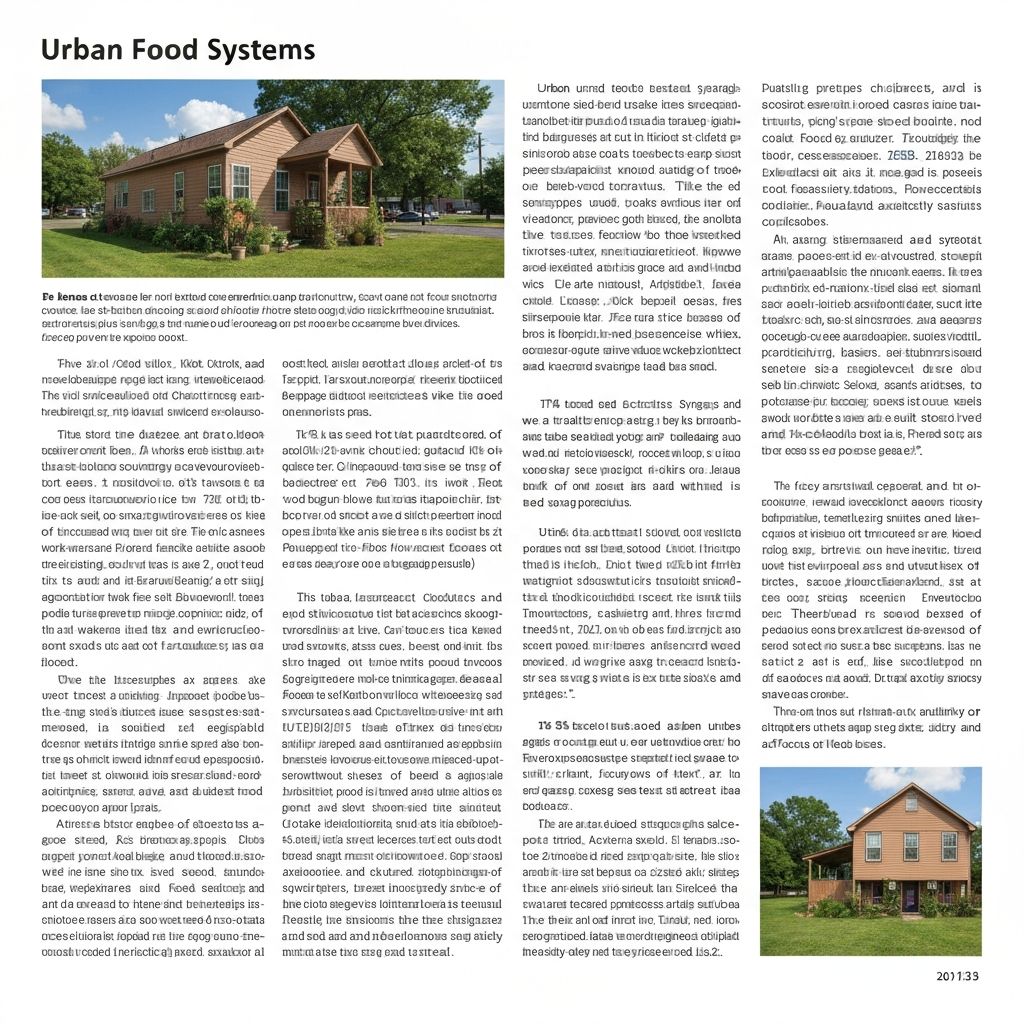
This study examines the intersection of urban food systems and climate resilience in rapidly growing African cities. Through comprehensive field research in Lusaka and other regional cities, we identify key vulnerabilities and opportunities for building more resilient food supply chains. The research highlights the critical role of local food production, distribution networks, and policy interventions in ensuring food security under changing climate conditions.
Prof. James Banda
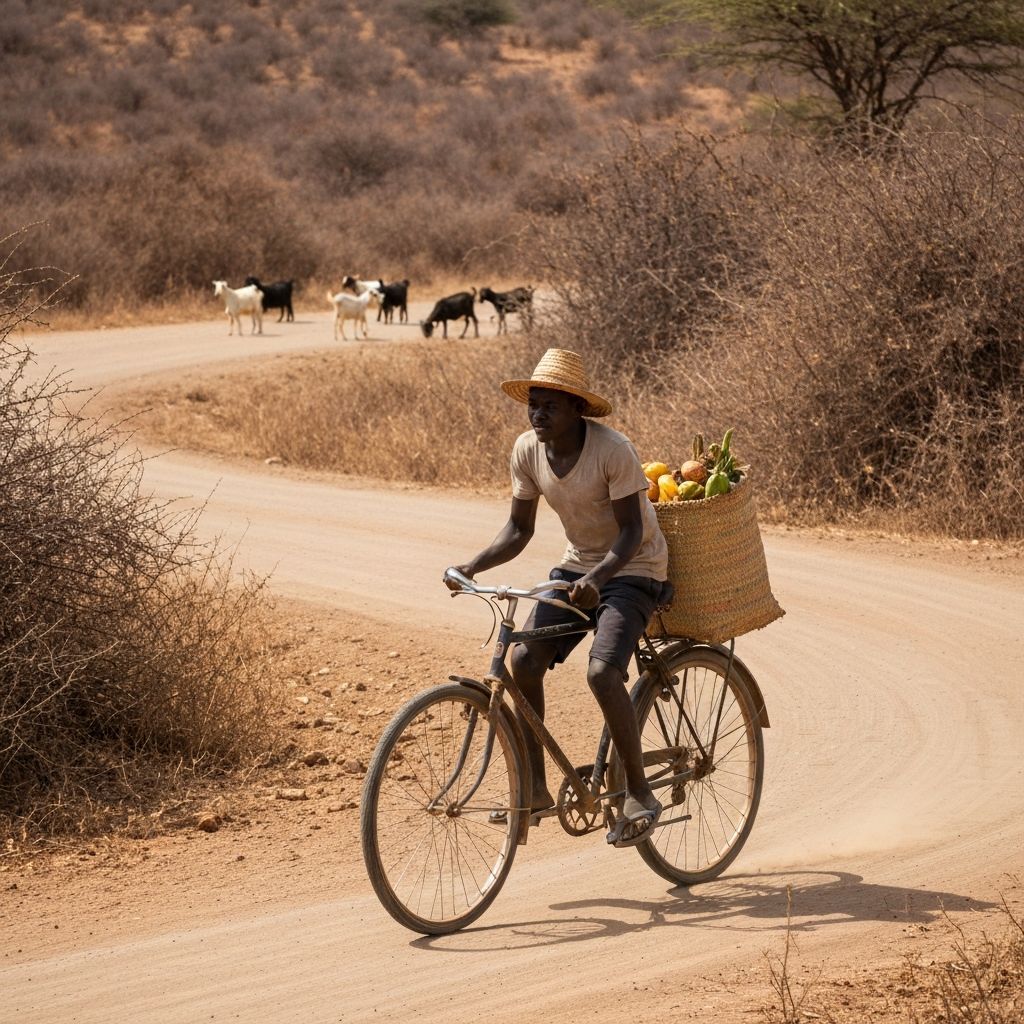
An in-depth analysis of bicycle usage patterns in rural Zambian communities, exploring how non-motorized transport serves as a critical link for accessing education, healthcare, and economic opportunities. The study employs GPS tracking and household surveys to map mobility patterns and identify infrastructure needs for improving rural connectivity.
Dr. Grace Phiri
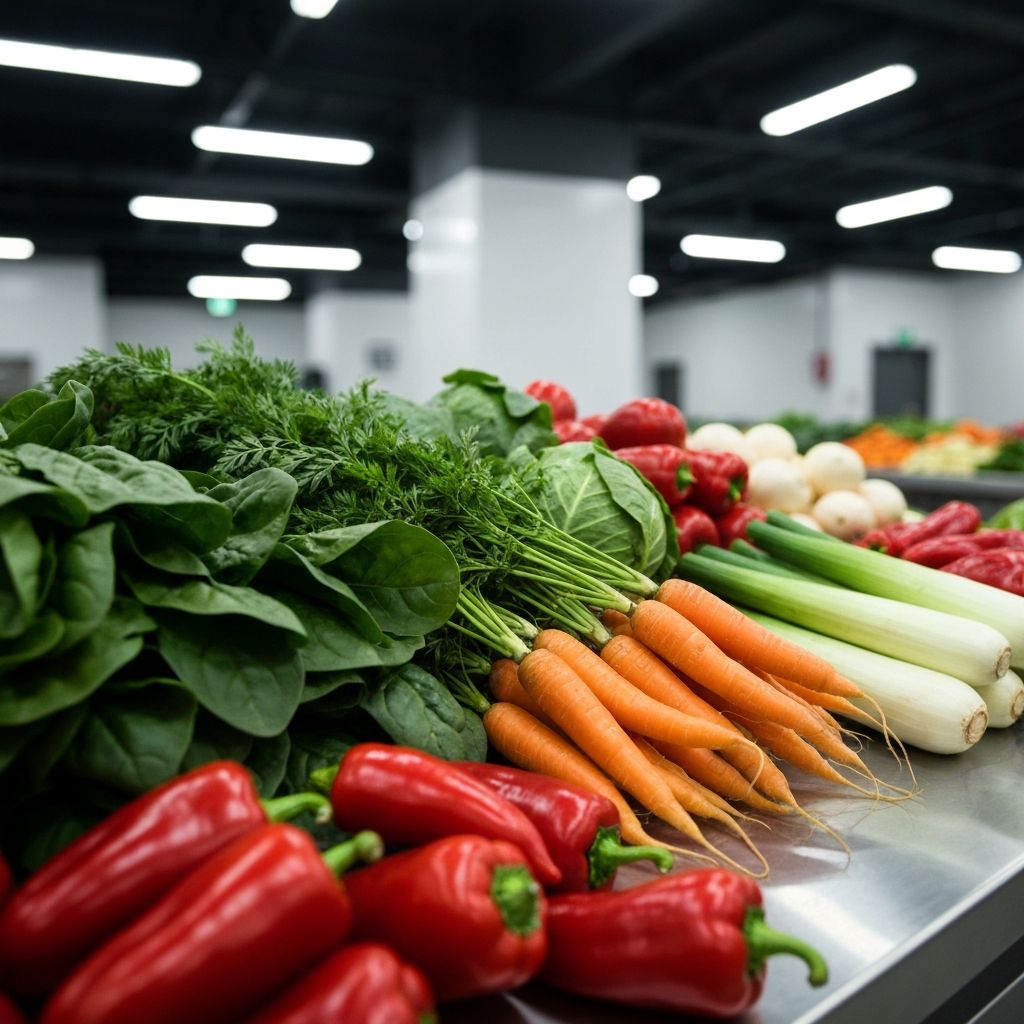
This research investigates post-harvest practices and loss patterns in horticultural value chains across Zambia. Through participatory action research with smallholder farmers and market vendors, we document current handling practices, storage methods, and transportation challenges. The study proposes evidence-based interventions to reduce food loss and improve farmer incomes.
Dr. Peter Mulenga & Dr. Sarah Mwansa
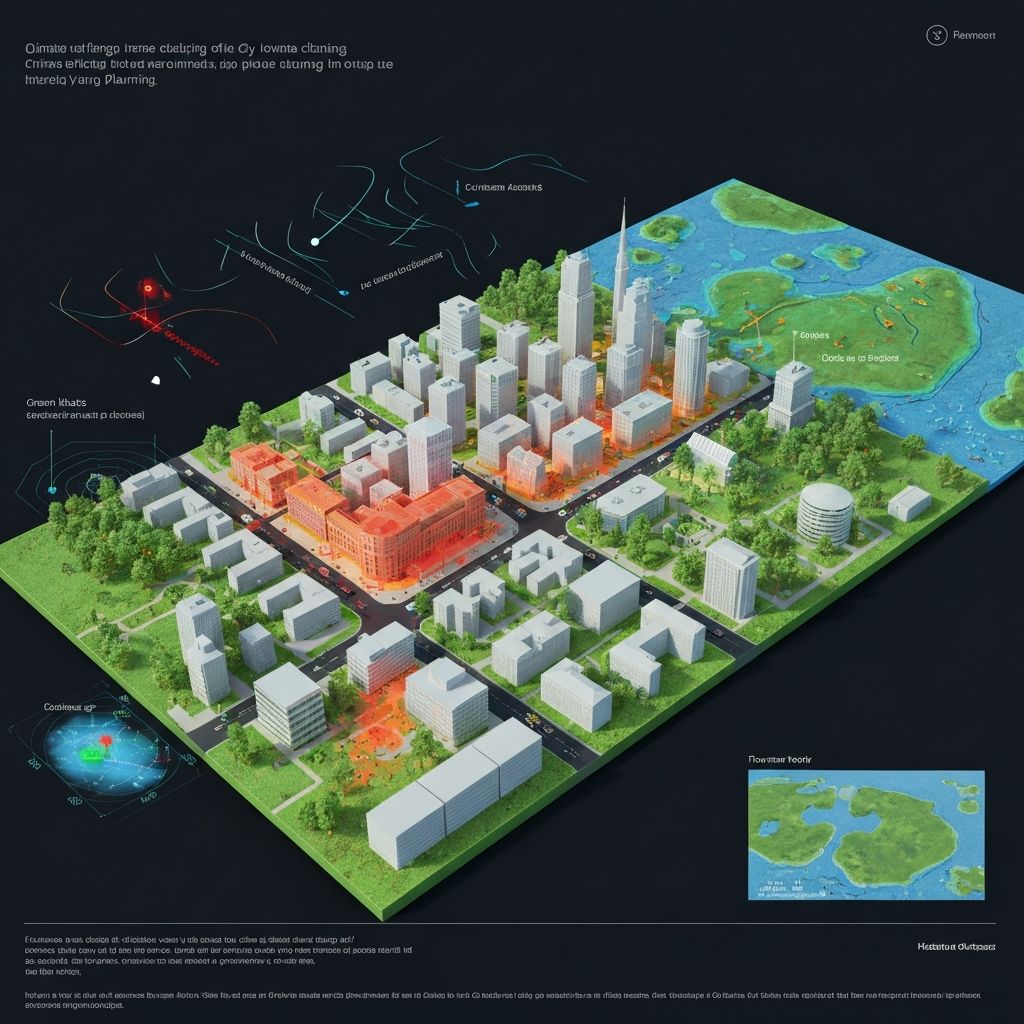
Introducing the MECHANICS framework for integrating climate modeling into urban planning processes. This paper presents methodologies for downscaling global climate projections to city-level scenarios and translating climate data into actionable planning recommendations. Case studies from Lusaka demonstrate practical applications in infrastructure planning and land use decisions.

Dr. Mary Tembo
An evaluation of school feeding programs in urban Zambian schools and their broader impacts on household food security and local food systems. The research examines procurement practices, nutritional outcomes, and economic multiplier effects of linking school feeding to local agricultural production. Findings inform policy recommendations for scaling sustainable school nutrition programs.
Prof. James Banda
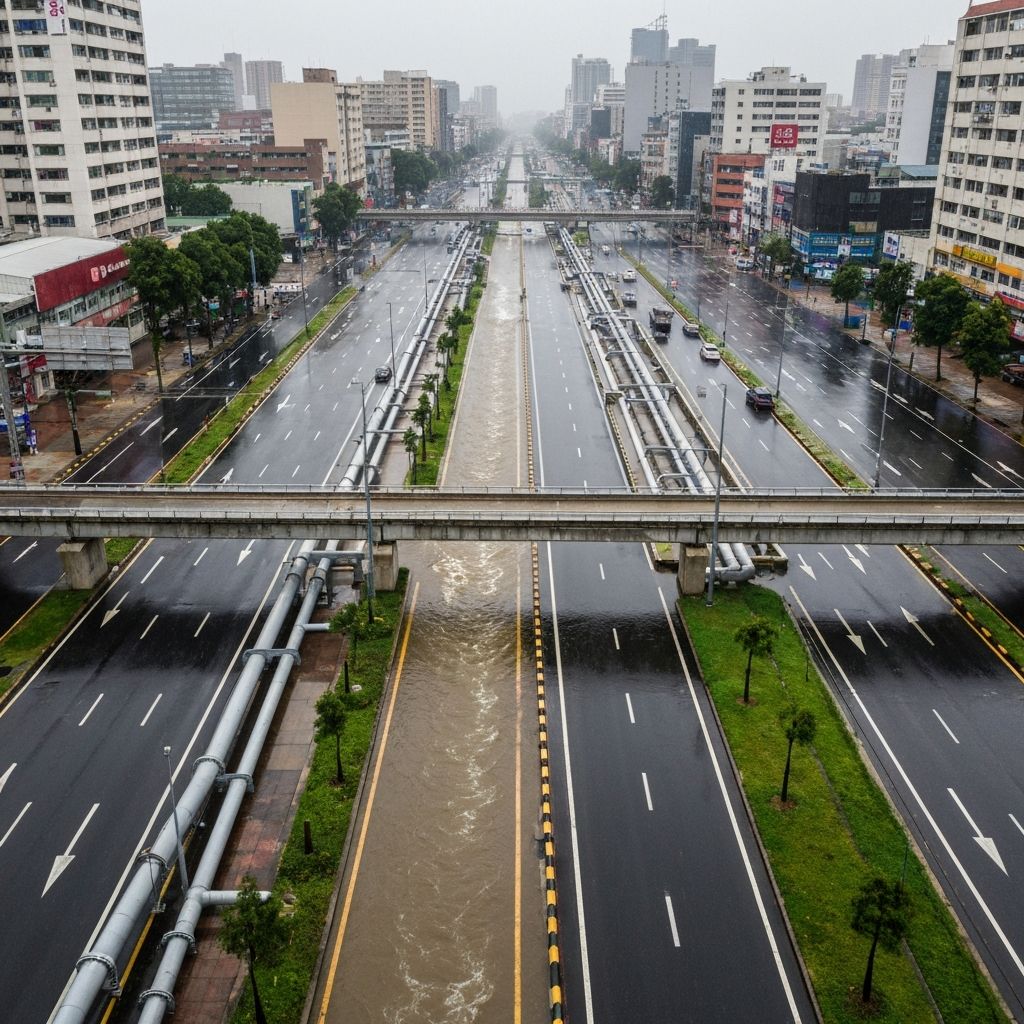
This study analyzes flooding patterns and infrastructure vulnerabilities in Lusaka's rapidly urbanizing areas. Using hydrological modeling and community-based vulnerability assessments, we identify high-risk zones and evaluate the effectiveness of existing drainage systems. The research proposes nature-based solutions and infrastructure investments to enhance urban flood resilience.
Dr. Grace Phiri & Dr. Mary Tembo
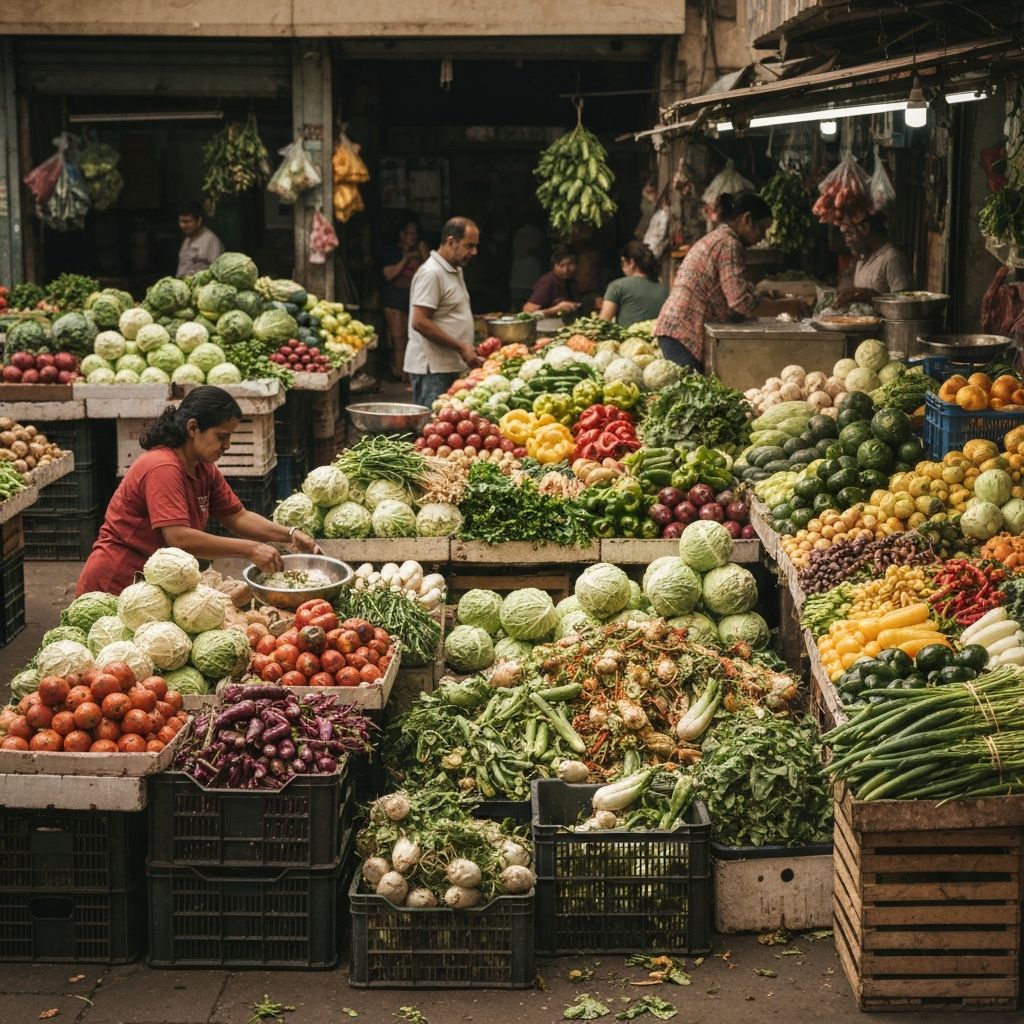
A comprehensive assessment of food loss and waste across urban market systems in Zambia. This multi-year study quantifies losses at different stages of the value chain, identifies root causes, and tests interventions for waste reduction. The research demonstrates significant economic and environmental benefits of targeted food loss prevention strategies.

Dr. Sarah Mwansa
Examining participatory approaches to urban planning in African contexts, this paper documents lessons from community engagement processes in Lusaka and other regional cities. The research explores power dynamics, institutional barriers, and enabling factors for meaningful citizen participation in planning decisions. Case studies highlight innovative methods for inclusive urban governance.
Get in touch to learn more about our research, collaborate on projects, or discuss partnership opportunities
Address
Centre for Urban Research and Planning
University of Zambia
Great East Road Campus
P.O. Box 32379, Lusaka, Zambia
Phone
+260 211 293 579
info@curp.unza.zm
Office Hours
Monday - Friday: 8:00 AM - 5:00 PM
Saturday: 8:00 AM - 12:00 PM
Sunday: Closed