
Modeling Enhanced Climate Information for Cities
2023 - 2026
Lusaka, Zambia (Kanyama & Kalikiliki)
Climate-resilient urban planning
The MECHANICS project is a partnership between UK, South African, and Zambian institutions (Met Office, CSAG, UNZA) that's using advanced, high-resolution climate modeling to help solve urban flooding in Lusaka, Zambia.
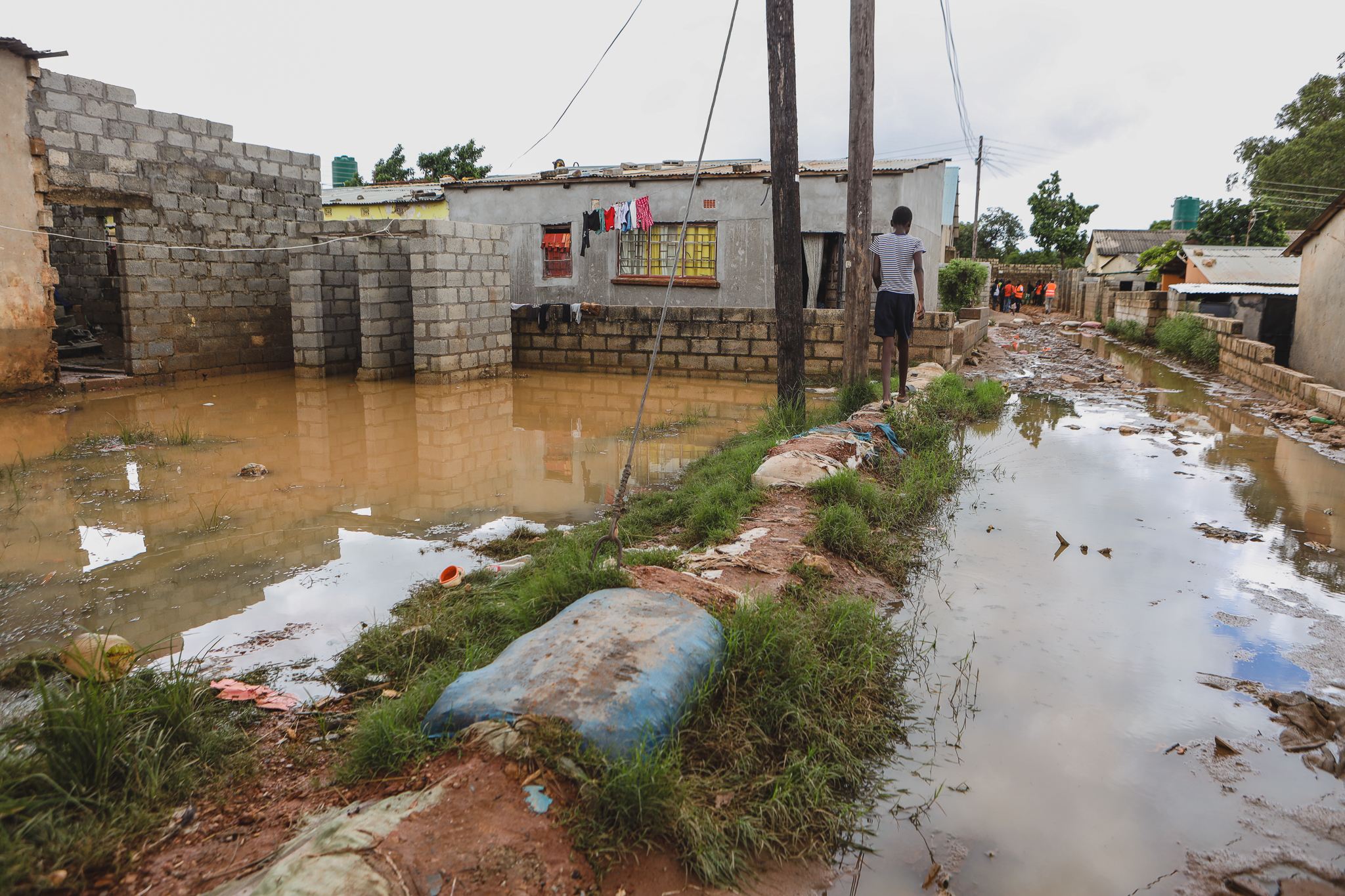
Focusing on the high-risk informal settlements of Kanyama and Kalikiliki, the project is testing whether this detailed climate information can lead to better, more effective solutions. They are combining the science with community input (through surveys and local mapping) to understand the everyday flood experience.
The goal is to provide reliable evidence that the Lusaka City Council and the Disaster Management and Mitigation Unit can use right now to build flood-resilient communities as they implement new city development and disaster plans.
Develop and deploy advanced climate models to predict flooding patterns with unprecedented accuracy in informal settlements.
Integrate local knowledge through surveys and participatory mapping to understand lived experiences of flooding.
Provide actionable data to city planners and disaster management units for informed decision-making.
Build long-term flood resilience in vulnerable communities through integrated urban planning strategies.
Deploying weather stations and sensors across Kanyama and Kalikiliki to gather real-time climate data and validate high-resolution models.
Working with community members to map flood-prone areas, drainage systems, and vulnerable infrastructure using local knowledge.
Regular engagement with Lusaka City Council, Disaster Management and Mitigation Unit, and community leaders to co-develop solutions.
Translating research findings into practical policy recommendations for urban development and disaster preparedness plans.
Enhanced early warning systems based on high-resolution climate models, enabling timely evacuation and disaster response.
Data-driven recommendations integrated into Lusaka's city development plans and disaster management strategies.
Increased community awareness and capacity to respond to flooding events through participatory research and knowledge sharing.
Replicable methodologies and frameworks that can be applied to other flood-prone informal settlements across Zambia and Sub-Saharan Africa.
Climate Modeling Expertise
Climate Systems Analysis

Local Research & Implementation
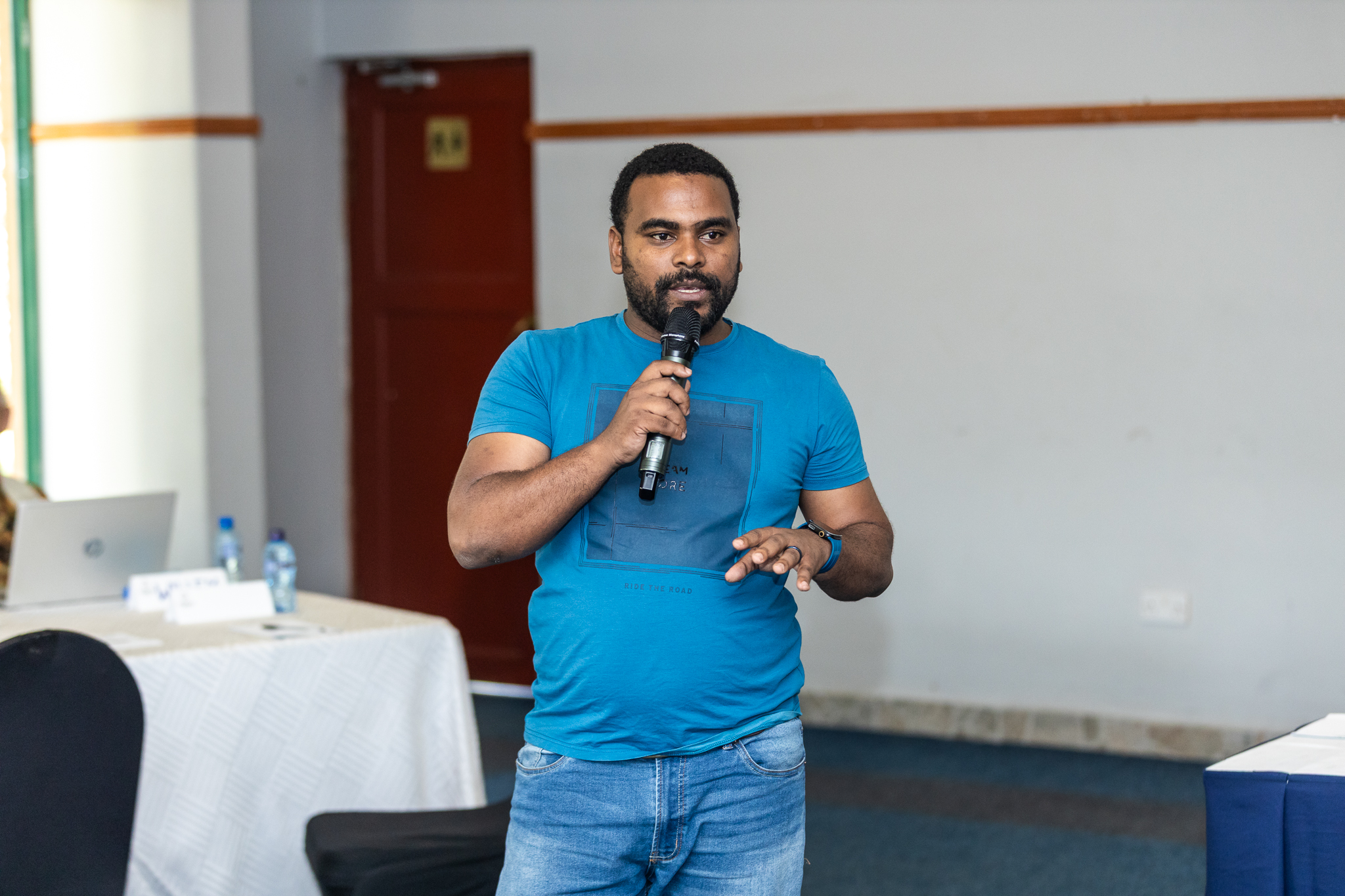
Researcher and Centre Manager, Centre for Urban Research and Planning, University of Zambia
Chongo is a Researcher, Food Systems Expert, and Climate Change Specialist, serving as Centre Manager at UNZA's CURP. With a PhD in Geography, he focuses on food systems, spatial planning, climate resilience, urban sustainability, food security, and development policy.
Interested in learning more about the MECHANICS project or collaborating with our research team? We'd love to hear from you.
Get in touch to learn more about our research, collaborate on projects, or discuss partnership opportunities
Address
Centre for Urban Research and Planning
University of Zambia
Great East Road Campus
P.O. Box 32379, Lusaka, Zambia
Phone
+260 211 293 579
info@curp.unza.zm
Office Hours
Monday - Friday: 8:00 AM - 5:00 PM
Saturday: 8:00 AM - 12:00 PM
Sunday: Closed